Marghera Venice Apartments
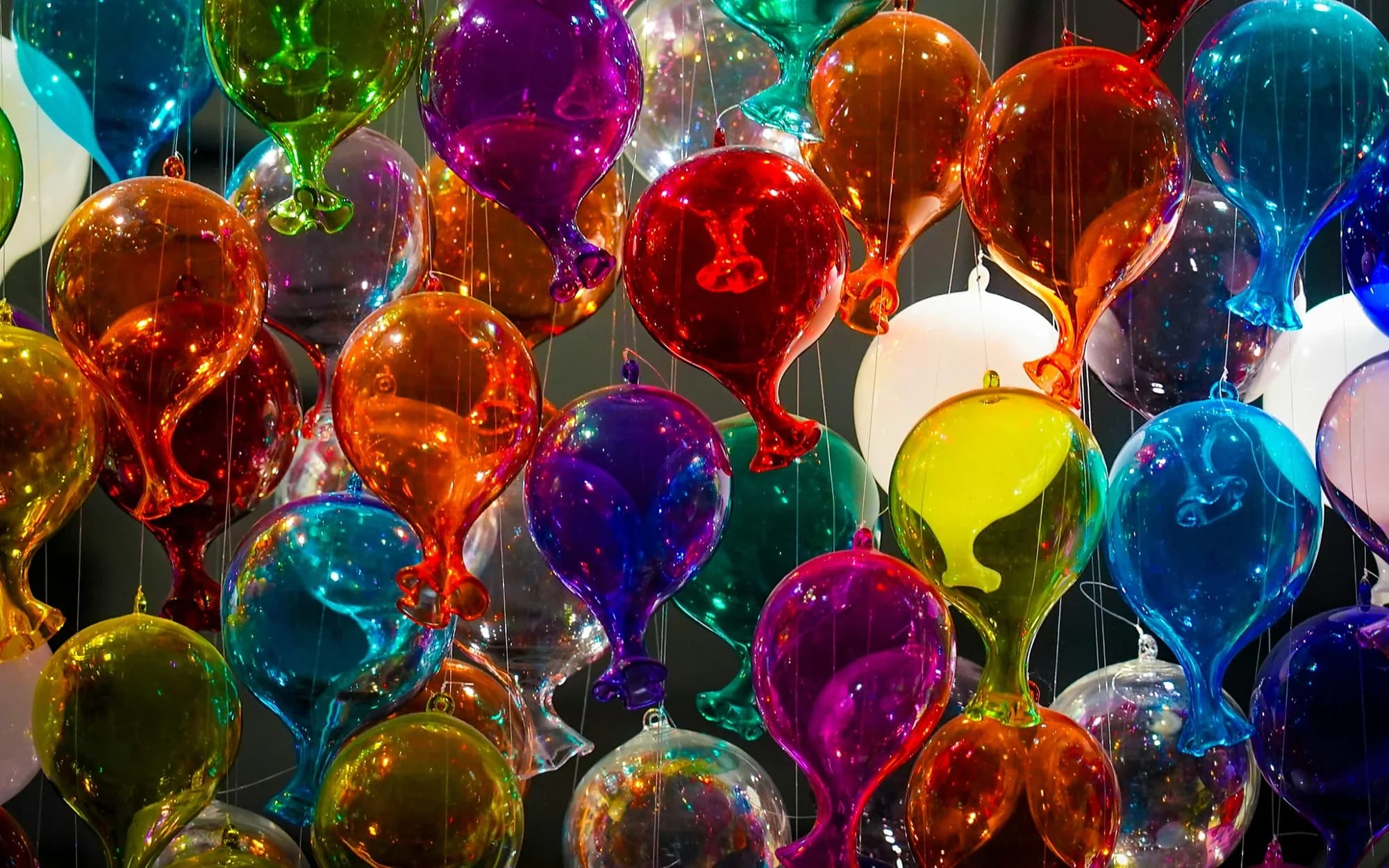
Colourful artistic glass made in Murano
Glassmaking island

Murano

Where glass becomes art.Furnaces, quiet canals and artisan workshops tell the story of a craft that still defines Murano.

Suggested visit

Half or full day

Getting there

Vaporetto from Venice

Ideal for

Art, families, photography

Style

On foot, relaxed pace

Understand the island

Murano is much more than a glass showcase

Before choosing a furnace or museum, it helps to understand why glass here is not simply a souvenir but the result of centuries of technique, trade and lagoon identity.

Canals and architecture on Murano island

A good pace for Murano

Allow at least half a day for a first visit. If you want the Glass Museum and a proper furnace demonstration, avoid squeezing too many other islands into the same afternoon.

01 · To understand the destination

Why the furnaces moved to Murano

At the end of the 13th century the Venetian Republic concentrated much of its glass production on Murano. Fire risk in a city with many timber structures was a practical reason, while concentrating the craft also made valuable technical knowledge easier to control.

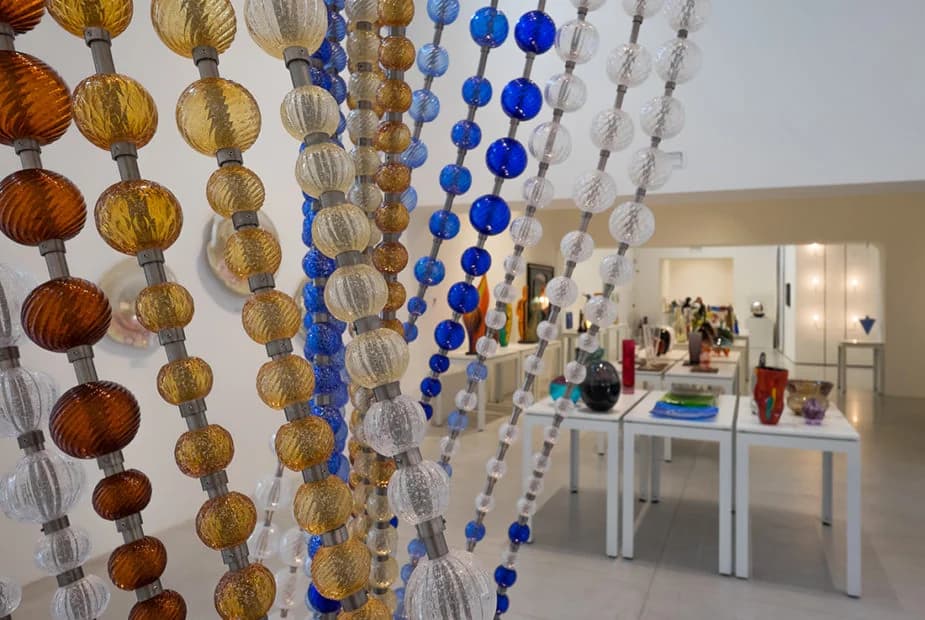
The island then developed a society deeply tied to furnaces, master glassmakers, workshops and international trade, producing innovations from Renaissance crystal and filigree to 20th-century and contemporary design.
02 · To understand the destination

What to notice while you walk

Murano is made up of smaller islands linked by bridges and crossed by canals. Along Fondamenta dei Vetrai, Rio dei Vetrai and Murano’s Grand Canal, industrial, residential and religious landscapes constantly overlap.

Look beyond shop windows: furnace courtyards, workshop façades, small bridges and the Basilica of Santi Maria e Donato reveal an island with its own history, distinct from central Venice.

03 · To understand the destination

A furnace visit, with context

A live demonstration can be fascinating, especially if you have never seen glass worked at high temperature. Choose visits that explain techniques and stages of production rather than turning the experience into a quick route to the showroom.

If you buy something, ask about origin and workmanship. Murano is both a place and a production tradition: an authentic object should come with a story, not just colour.

Art & culture

Explore Murano’s cultural sites

The Glass Museum and the Basilica of Santi Maria e Donato reveal two complementary sides of the island. Their dedicated pages include timing, access and official sources.

Museo del Vetro di Murano, Murano
🏛️
Museums & FoundationsMurano

Museo del Vetro di Murano

⏱️ 1h–1h 30m🧒 Families

🎟️ €15

Open entry
Basilica dei Santi Maria e Donato, Murano
⛪
Churches & BasilicasMurano

Basilica dei Santi Maria e Donato

⏱️ 30m–45m🧒 Families

🎟️ €3,50

Open entry

At a glance

More than a souvenir: a living craft

Murano has a slower rhythm than central Venice, with workshops, homes and canals closely woven together.

A furnace demonstration reveals the skill behind glassmaking, while the Glass Museum and artisan shops show how tradition continues to meet contemporary design.

What to see

Places and details worth noticing in Murano

A focused selection, explained without turning the visit into a checklist.

01

Glass furnaces

Watch skilled glassmakers shape molten glass.

02

Glass Museum

Explore the history and evolution of Murano glass.

03

Santi Maria e Donato

One of the island’s most distinctive churches.

04

Fondamenta dei Vetrai

A pleasant canal-side walk among workshops and bridges.

05

Artisan shops

Look for clear information about origin and craftsmanship.

06

Quiet canals

Step away from the busiest stops for a calmer Murano.

Suggested itinerary

How to organise your time in Murano

Now that you know the place better, use this route only to give the day a simple order.

💡 Now that the island has some context, use the itinerary as a practical sequence rather than a checklist.

09:30

Arrive in Murano

Start near a convenient vaporetto stop and orient yourself along the main canal.

10:00

Glass demonstration

Visit a furnace or pre-booked workshop.

11:30

Canals and workshops

Walk along the fondamenta and browse artisan shops.

14:00

Glass Museum

Discover techniques, styles and history.

16:30

Church and quieter streets

Finish away from the busiest routes.

Our practical tip

Choose quality over quantity

A smaller number of well-chosen workshops and cultural stops usually makes for a better visit than rushing between many shops.

A detail worth remembering

❤️ Murano beyond the main stops

The quieter canals reveal an everyday island atmosphere that many visitors miss.

Frequently asked questions

Before visiting Murano

Quick answers to common questions.

How much time should I allow for Murano?+

For a relaxed first visit, allow at least half a day; a full day gives you more time for meals, detours and slower exploration.

Is Murano suitable for families?+

Yes, with a pace adapted to children and regular breaks. Always check access rules for individual attractions and transport.

Can I visit with a dog?+

Outdoor areas are generally easy to enjoy with a dog, but museums, attractions and public transport may have specific rules. Check them before travelling.

Should I book in advance?+

For museums, special experiences and busy periods, advance booking can be useful. Check official websites for current availability and conditions.

A convenient base for Venice

Planning your Venice trip?

Stay in Marghera with free private parking and convenient day-and-night connections to Venice.